Tools made of sand, not plastic
Plastic 3D printing is the usual route for printed tooling and lasts only a few parts. Catalysis takes a different one: a natural sand material from foundry technology, 97 % naturally occurring. Catalysis is the only company worldwide making thermoforming tools this way.
Conventional tool: vacuum only at the vent holes. Catalysis: vacuum across the entire surface.
Porous throughout
The material is porous through and through. In thermoforming the vacuum passes instantly through the whole tool and acts across the entire surface. In principle the tool would work without any vent holes. We still add holes deliberately so parts demould more easily and additional vacuum reaches the part.
Fewer forming defects
Uneven suction is a common cause of webbing, thin spots and air inclusions. Continuous porosity draws the sheet evenly onto the contour, even in tight radii and deep cavities. Edges come out clean and wall thickness even.
Stable, isotropic, durable
The tool has the same structure in every direction. It does not warp, nothing delaminates, it does not fatigue. A single mould has already produced more than 10,000 parts from 5 mm ABS. The tools are designed for pre-series and small series up to several thousand parts.
Better for the environment
Aluminium tools are machined from solid and energy intensive. Ureol and plastic printing are polymers. The Catalysis material is natural sand, printed in exactly the shape needed, with no chips and no billet.
Everything from one source
Design, 3D printing, finishing and quality inspection from a single source. You supply tool or just part data, we deliver the finished tool, with base plate, connections and sample part on request.
Large tools too
Large tools for vehicle and machinery parts are possible too. For very large parts we review your data together with you and agree on the best way to build the tool. Thanks to the honeycomb structure inside, the tools are much lighter than solid moulds.
Sand printing compared
| Aluminium (machined) | Ureol / polyurethane | Plastic 3D printing | Catalysis sand printing | |
|---|---|---|---|---|
| Lead time | 3–6 months | 2–4 weeks | 1–2 weeks | 2–3 weeks |
| Cost | high | low | low | like Ureol |
| Tool life | very high | a few hundred parts | a few parts | several thousand parts |
| Vacuum | vent holes only | vent holes only | vent holes only | whole surface |
| Stability | very high | medium | low, warps | high, isotropic |
| Ecology | energy intensive | plastic | plastic | natural sand |
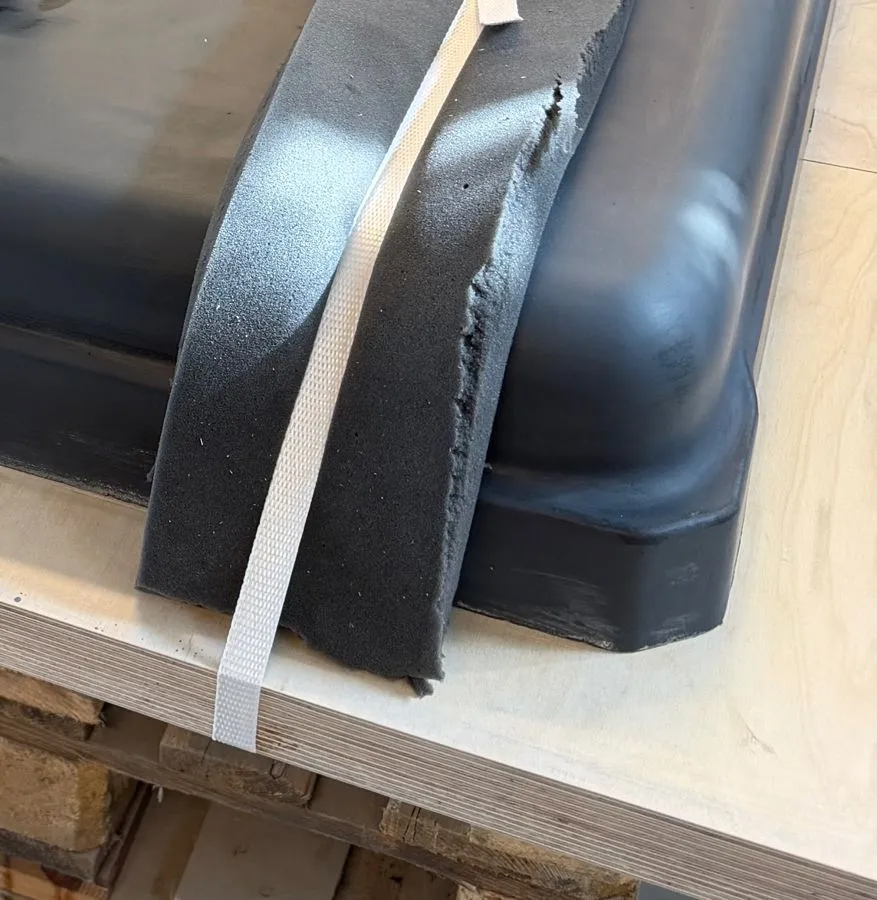
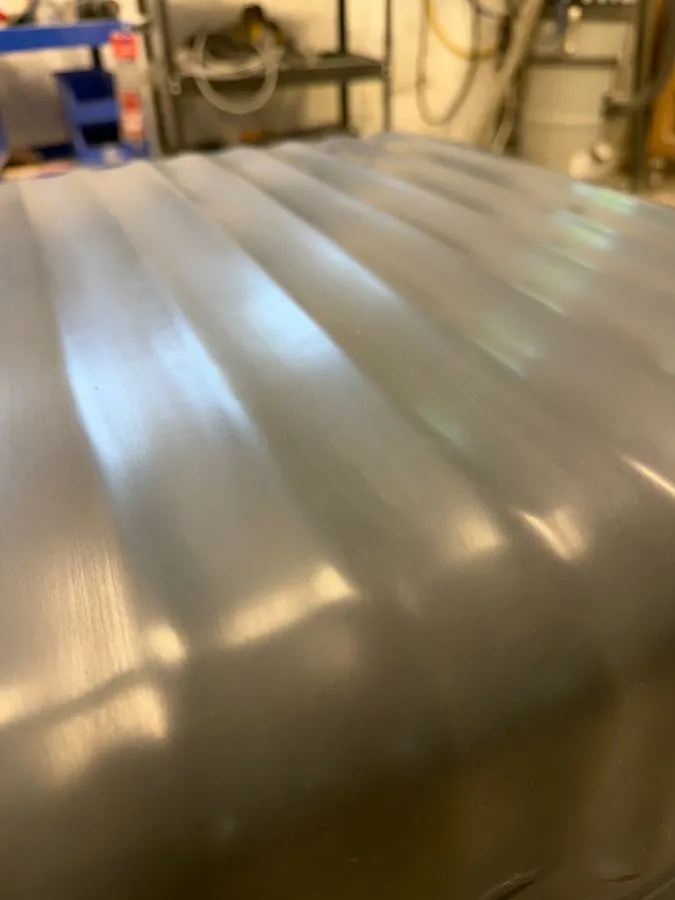
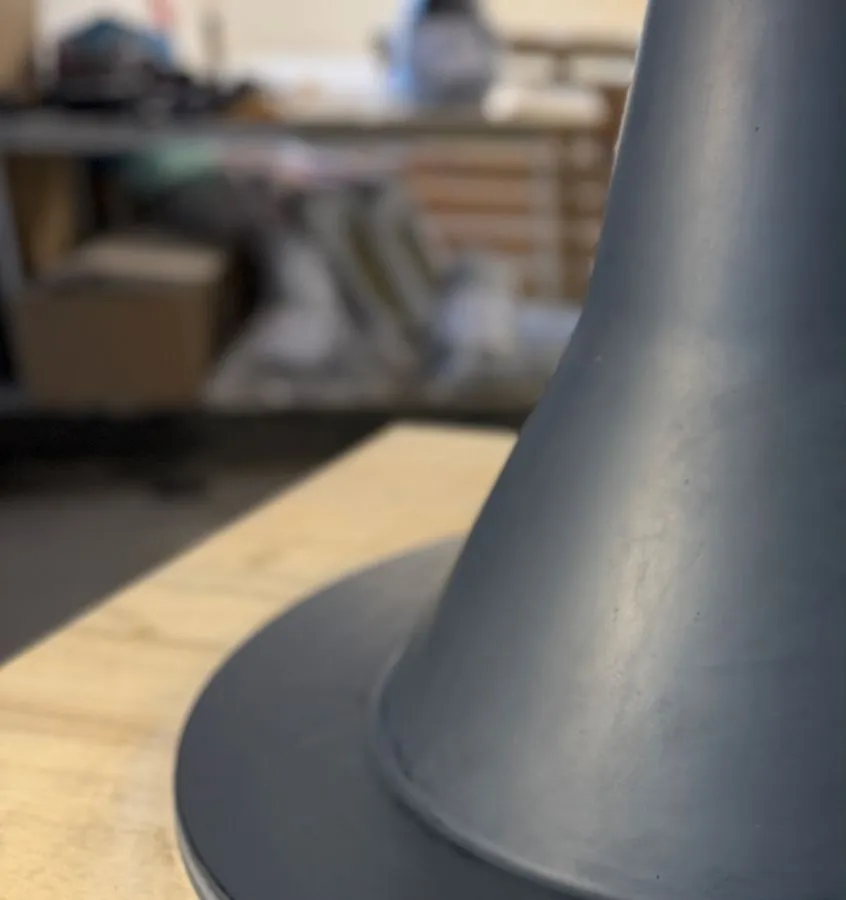
Details from production
Let's talk about your part
Send us tool or part data. 3D design is included, no CAD needed on your side. We reply within 24 hours.